Free UK delivery on orders over £50
Free international delivery - spend £140 (U.S. £150*)
Beautifully made in the UK
Cherished by our collectors around the world
With love from Alyssa
Exquisitely made and beautifully packaged
Free UK delivery on orders over £50
Free international delivery - spend £140 (U.S. £150*)
Beautifully made in the UK
Cherished by our collectors around the world
With love from Alyssa
Exquisitely made and beautifully packaged
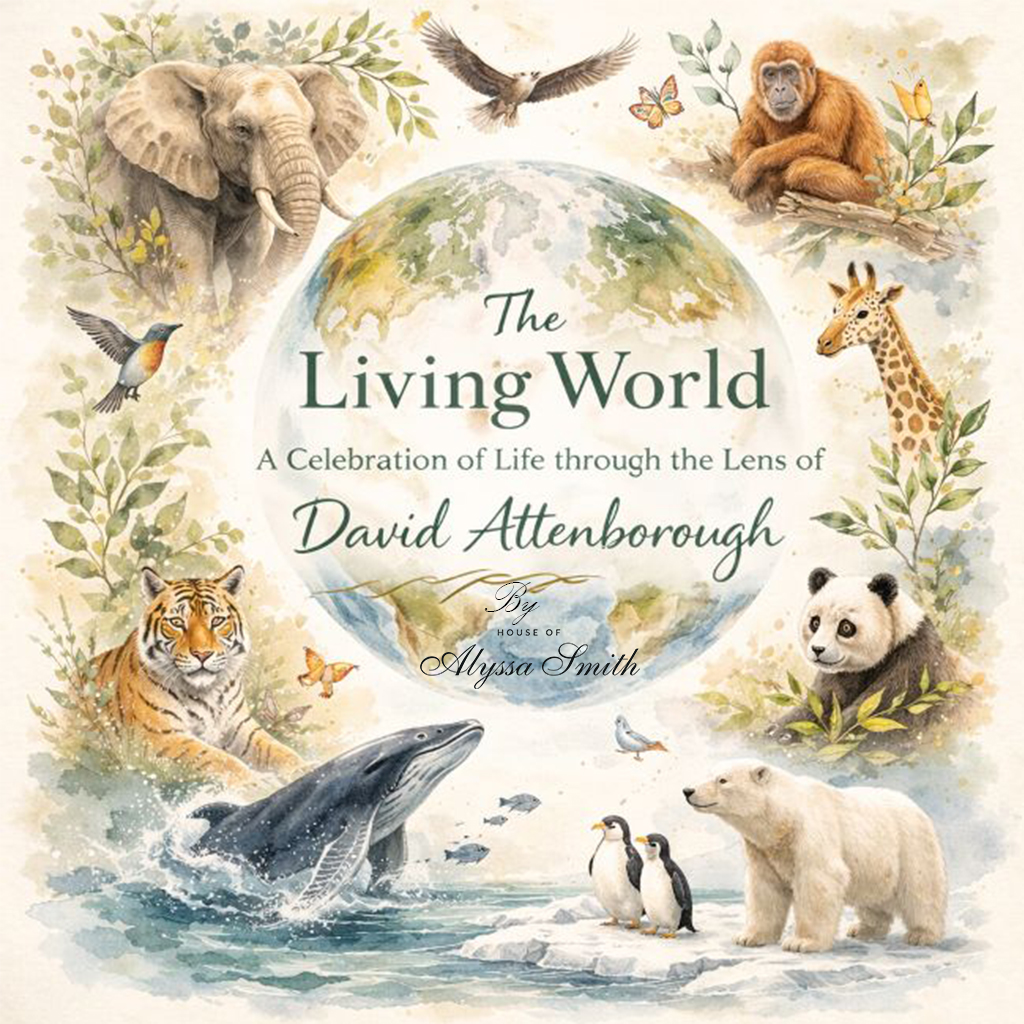
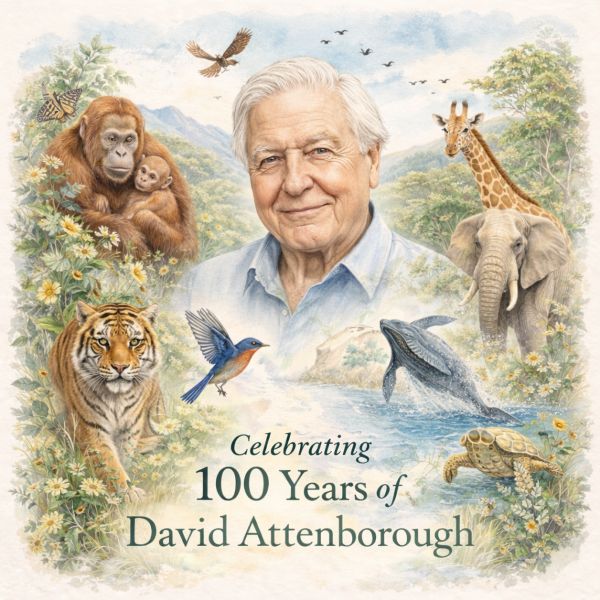
THE LIVING WORLD Collection – Celebrating 100 Years of David Attenborough
There are some voices that don’t just narrate the world, but quietly shape the way we see it. For many of us, David Attenborough has always been one of those voices — steady, reassuring, and filled with a sense of wonder that makes even the smallest detail feel extraordinary. From childhood evenings spent watching the natural world unfold on screen, to now, where his words carry an even deeper meaning, he has brought the beauty, complexity and fragility of our planet into our homes in a way no one else quite has. As he reaches his 100th year, it feels only right to pause and reflect, not just on the man himself, but on everything he has helped us to understand, to feel, and ultimately, to care about.
Long before the cameras, before the documentaries, before his voice became so instantly recognisable, there was simply a young boy with an endless curiosity. David often spoke about collecting fossils, stones and natural treasures, fascinated by the stories they told about the world beneath his feet. That curiosity, so simple in its beginnings, grew into something far greater — a lifelong passion for understanding how life works, how everything is connected, and how even the smallest creatures play a role in something much bigger. He once reflected that the more he learned, the more he realised how extraordinary life truly is, not just in its grandest forms, but in its quietest, most overlooked details. That way of seeing the world has shaped everything he has shared with us.
What David has always done so beautifully is remind us that nature is not separate from us. It is not something distant, or something we simply observe — it is something we are deeply part of. Every breath we take, every drop of water we drink, every piece of food we eat is connected to the natural systems that surround us. As he so simply put it, we depend on the natural world for our survival, whether we realise it or not. And yet, for so long, many of those connections have gone unnoticed. Through his storytelling, he has allowed us to experience them — to feel the stillness of a rainforest, the vastness of the ocean, the rhythm of life across open plains — and in doing so, he has helped us understand why those connections matter
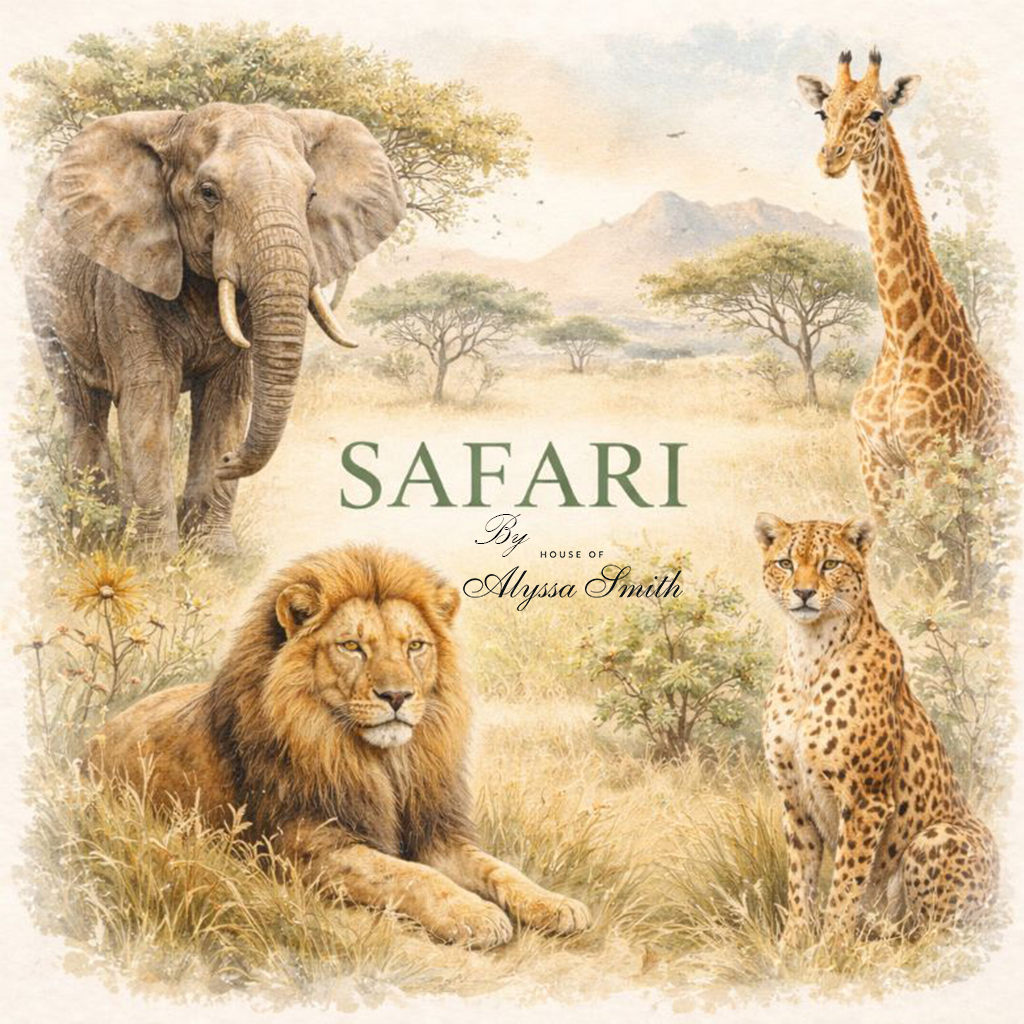
At the heart of everything he has shown us is the idea of ecosystems — not as something complex and scientific, but as something beautifully balanced and deeply interconnected. An ecosystem is not just a place, but a living network of relationships. On the African savannah, for example, it is easy to be drawn to the strength of an elephant or the power of a lion, but beneath that lies a far more intricate story. The grasses feed the herbivores, the herbivores shape the land, predators keep populations in balance, and insects and microorganisms work constantly beneath the surface, breaking down matter and returning nutrients to the soil. Every part supports another, often in ways we cannot immediately see. As David once said, an ecosystem is held together by countless relationships, each one essential. Remove one element, and the balance begins to shift. Remove enough, and the system itself begins to struggle.
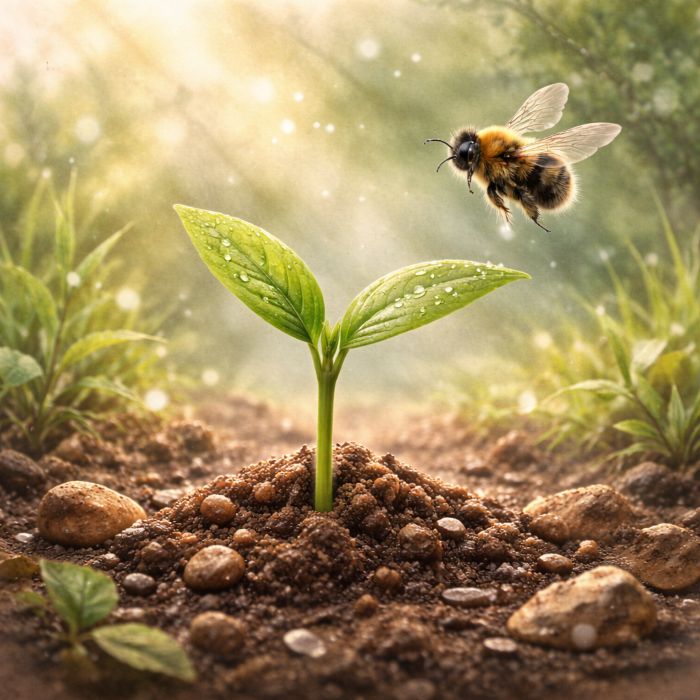
It was this deeper understanding — this quiet realisation of how everything connects — that stayed with us when we began creating this collection. The idea didn’t arrive all at once, but grew slowly, much like nature itself. During lockdown, when the world became smaller and quieter, many of us found ourselves reconnecting with things we hadn’t paid attention to before. Gardens became more than just outdoor spaces, windowsills turned into growing areas, and there was a noticeable shift back towards nurturing — growing herbs, planting seeds, learning how food actually begins its journey. There was something grounding about it, something that reminded us of how much we rely on the natural world, and how rewarding it is to be part of that process, even in the smallest way.
We learnt patience, waiting for seeds to sprout and understanding that growth cannot be rushed. We learnt that healthy soil matters just as much as what grows above it, that bees and pollinators are not just passing visitors but essential workers in a much larger system, and that even a small garden can become its own tiny ecosystem if given the chance. We became more aware of the seasons, of when things grow, when they rest, and how everything moves in cycles. And perhaps most importantly, we began to notice more — the details, the changes, the life that exists all around us when we slow down enough to see it.
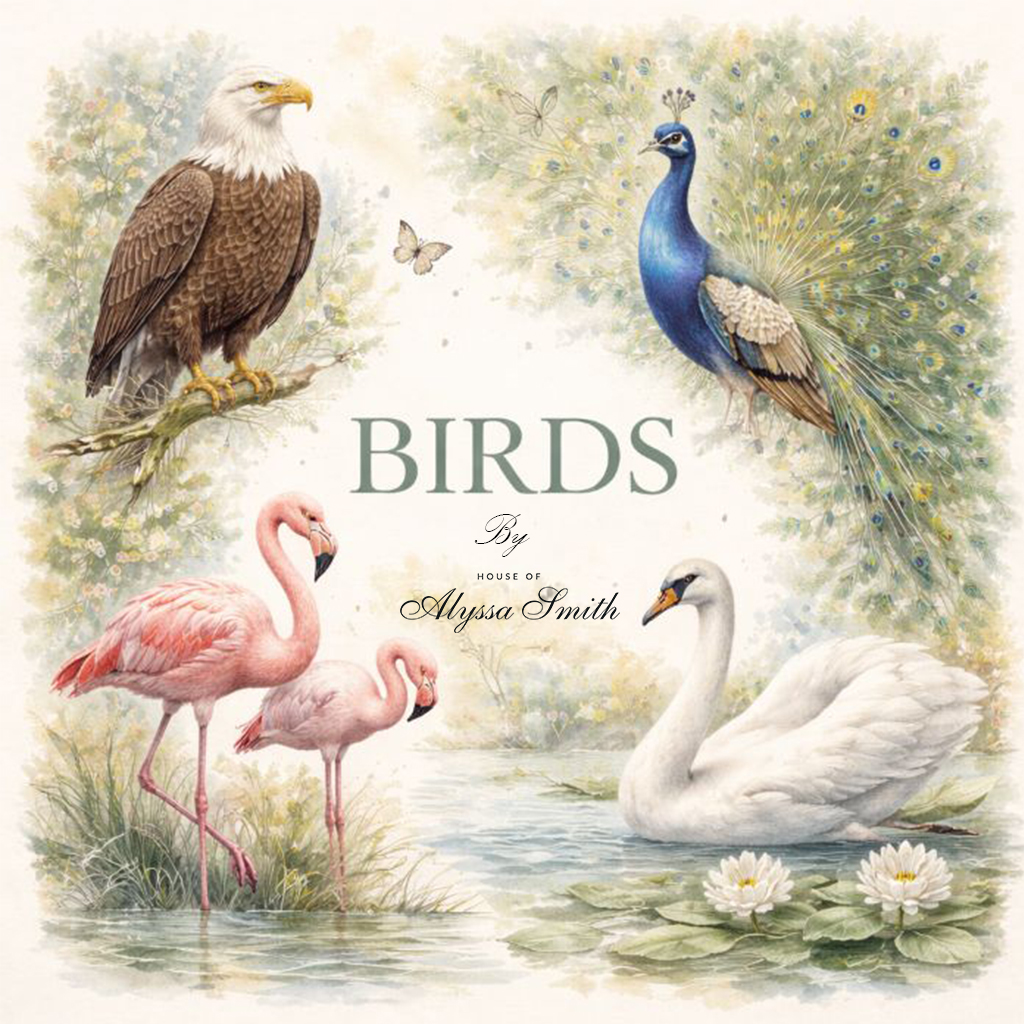
That shift in perspective naturally found its way into this collection. Each piece is not just inspired by an animal, but by the environment it belongs to and the balance it helps to maintain. The Safari designs draw from vast landscapes filled with movement, strength and quiet resilience, where animals like elephants, giraffes and big cats exist not in isolation, but as part of an ever-changing, ever-adapting system. The Birds collection captures something lighter, yet equally vital — creatures of movement and colour that pollinate plants, spread seeds and bring life to the spaces they pass through, often unnoticed but always essential.
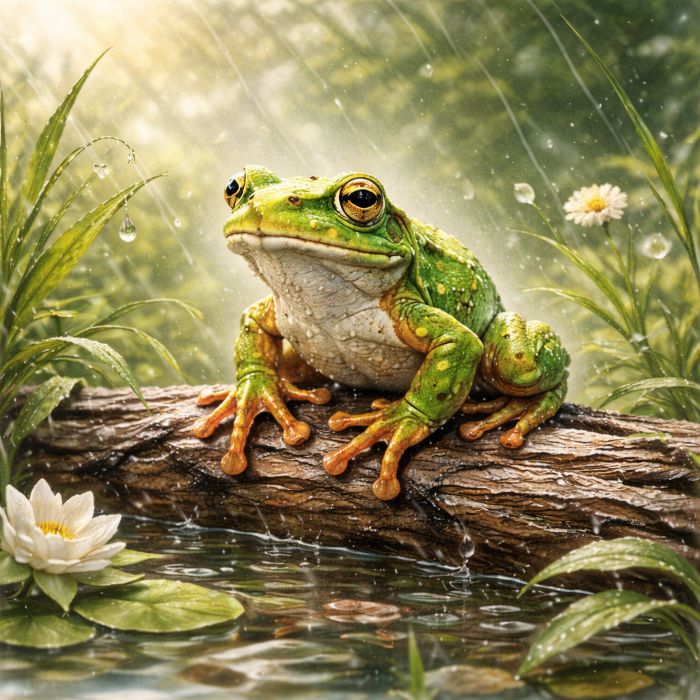
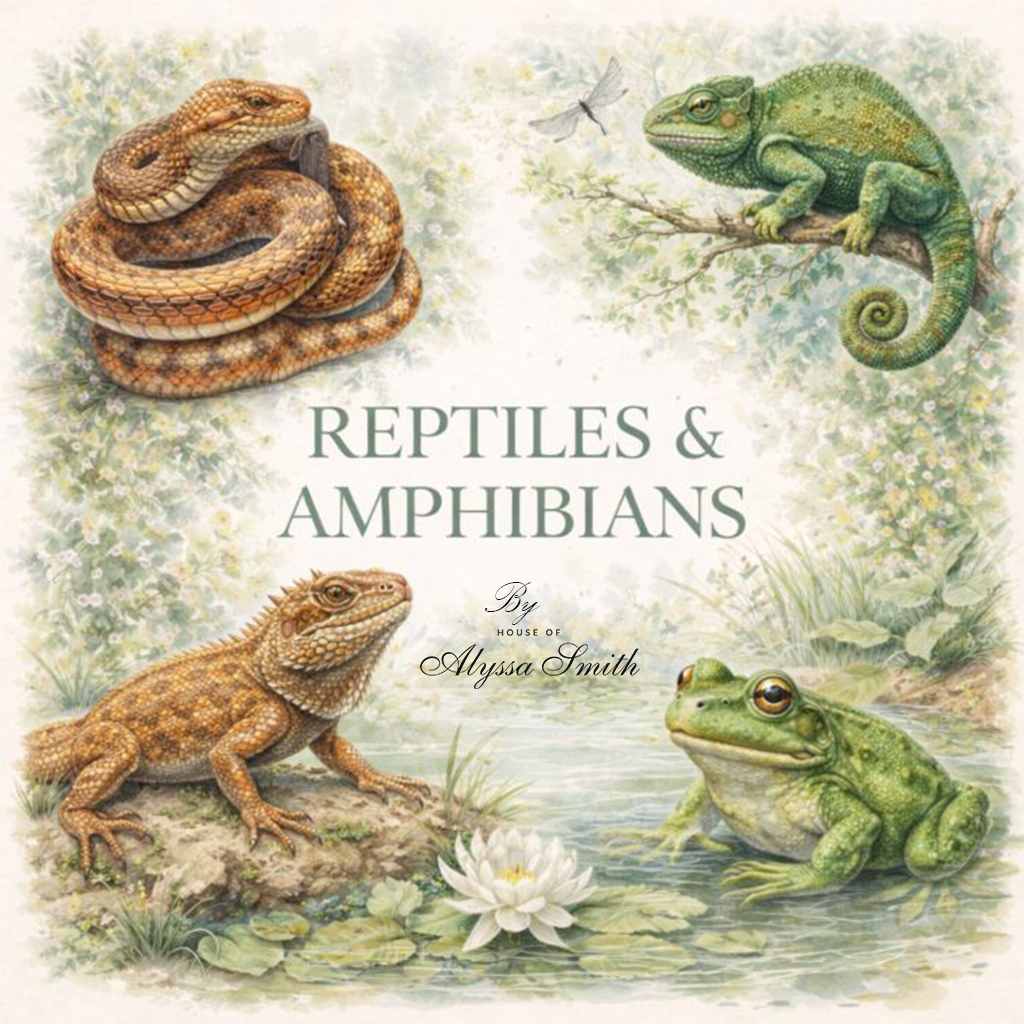
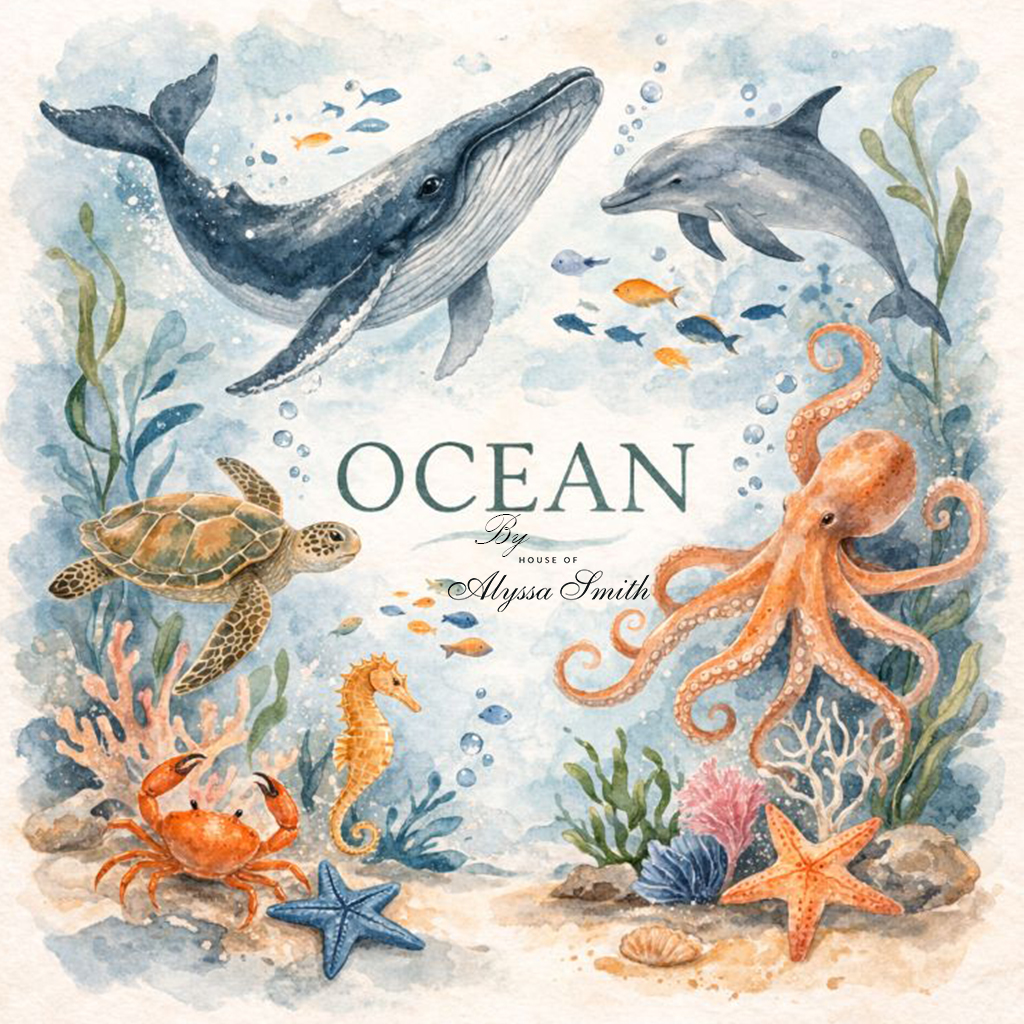
Beneath the surface, the Sea Life pieces take us into a world that feels almost otherworldly, yet is essential to life on Earth. The oceans regulate our climate, produce a significant portion of the oxygen we breathe, and support ecosystems so complex we are still discovering them. Coral reefs, often described as the rainforests of the sea, are filled with life, colour and movement, yet they are also among the most fragile. David has often reminded us that the ocean is the lifeblood of our planet, and yet it is facing increasing pressure from pollution, rising temperatures and overfishing. Alongside this, the Reptiles and Amphibians collection brings attention to creatures that are so often overlooked. Frogs, lizards and snakes may not always capture immediate attention, but they are vital to maintaining balance within their environments.
Amphibians, in particular, are incredibly sensitive to change, and their decline is often one of the earliest signs that an ecosystem is under stress.
Throughout his life, David has shown us not only the beauty of the natural world, but also its vulnerability. In recent years, his message has become clearer and more urgent, reminding us that while nature is resilient, it is not indestructible. The future of these ecosystems, and the creatures within them, depends on the choices we make now. And yet, what makes his message so powerful is that it is never without hope. He has always believed that if we act, if we care, and if we make changes — even small ones — we can make a difference.
Protecting wildlife does not always mean doing something extraordinary. Often, it begins with awareness, with understanding, and with small shifts in everyday life. Reducing waste, especially single-use plastics, helps prevent harm to marine life and reduces the strain on natural environments. Choosing products that are responsibly sourced supports ecosystems rather than depleting them. Planting pollinator-friendly flowers creates small but meaningful habitats for bees and butterflies, which our food systems rely on more than we often realise. Growing even a small amount of your own food, as many discovered during lockdown, reconnects us with the land and reduces the demand placed on larger systems. Being mindful of food waste, reusing where we can, and supporting conservation efforts all contribute to protecting the balance that sustains life.
David once said that no one will protect what they do not care about, and no one will care about what they have never experienced. It is such a simple idea, yet it holds so much truth. The more we allow ourselves to notice — the movement of birds overhead, the detail in a leaf, the sound of wildlife around us — the more we begin to understand just how extraordinary this world really is. And in that understanding, something shifts. It becomes not just something we admire, but something we feel responsible for.
There is a quiet optimism that runs through everything David has shared with us, even in the face of challenges. He has reminded us that nature has an incredible ability to recover when given the chance. Forests can regrow, oceans can begin to restore themselves, and wildlife can return, but only if we allow that space and make those changes. His belief has always been that it is not too late, that we still have time to protect what remains and rebuild what has been lost.
This collection is, in its own small way, a reflection of that belief. It has been shaped not just by inspiration, but by a renewed awareness of the natural world — of how it supports us, how it connects us, and how much we stand to lose if we do not protect it. It is a celebration of the diversity of life, a tribute to a man who has spent a century helping us to see the world differently, and a reminder of the role we all play in protecting it. Because when you take a moment to truly look — at the strength of a lion, the grace of a bird in flight, the delicate detail of life beneath the ocean, or the quiet resilience of a frog — you begin to understand what David has been showing us all along. That this planet is not just beautiful, but deeply interconnected, and entirely irreplaceable.
If we can continue to notice it, to understand it, and to care for it, then perhaps we can ensure that future generations do not just hear stories of the natural world, but experience it for themselves, in all its beauty and wonder. Because in the end, as David has always reminded us, the natural world is the greatest source of beauty, curiosity and life itself — and it is ours to protect.
And if something within this story has sparked your curiosity — whether it’s the movement of birds across the sky, the quiet resilience of reptiles and amphibians, the strength of safari wildlife, or the hidden wonders beneath the ocean — each part of this collection holds its own deeper meaning.
Every category has been shaped not just by the animals themselves, but by the role they play in the world around us, and the way David Attenborough has helped us to understand and appreciate them over the years.
Take a moment to explore each one further, and discover the stories behind them
Click here to take a look at our The Living World – House of Alyssa Smith
|
Uploaded
Failed
|
 |