Reptiles & Amphibians Collection – Celebrating 100 Years of David Attenborough
Intricate textures, quiet movement and the beauty of the overlooked
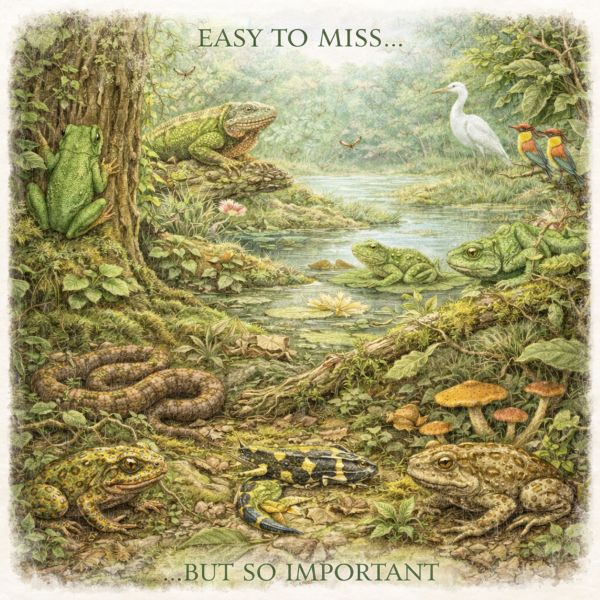
There is a quieter side to the natural world — one that doesn’t always call for attention, but reveals its beauty to those who are willing to slow down and truly look. It exists in the stillness, in the details, in the subtle movements that can so easily be missed if we rush past them. Reptiles and amphibians belong to that world. They are not always the creatures that first capture our attention, yet when we take the time to understand them, they become some of the most fascinating and intricate forms of life on our planet. Through the work of David Attenborough, we have been gently guided into this quieter space, shown not just what these animals are, but how they live, how they adapt, and why they matter far more than we might have once realised.
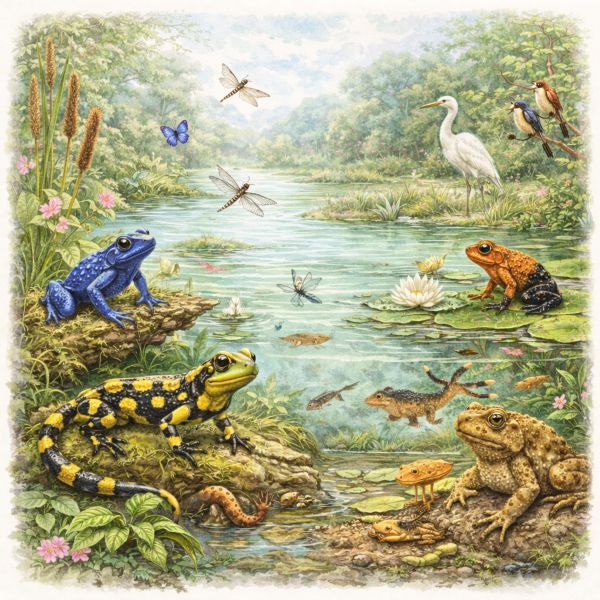
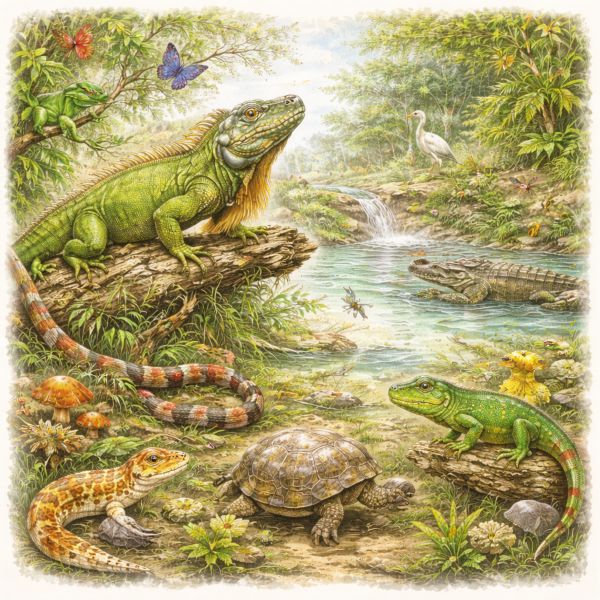
What makes these creatures so extraordinary is not just their appearance, but the roles they play within the ecosystems they belong to. Amphibians, such as frogs, exist between two worlds — land and water — making them one of the most sensitive indicators of environmental change. Their skin absorbs everything around them, meaning that even the slightest shift in water quality or habitat can affect their survival. Because of this, their presence often tells a deeper story about the health of an entire ecosystem. Reptiles, from lizards to snakes, bring balance in different ways, controlling insect and rodent populations, maintaining natural order, and adapting to environments that many other species could not survive in. Together, they form part of a delicate system that is constantly working beneath the surface, often unnoticed, yet entirely essential.
David has always had a way of transforming how we see these animals. Where once there may have been fear or misunderstanding, he has replaced it with curiosity and respect. He has shown us the intricate patterns of a lizard’s skin, the precision in a gecko’s movement, the quiet stillness of a snake before it moves with effortless fluidity. He has revealed that what may seem unfamiliar is often simply misunderstood, and that beauty exists in forms we do not always expect. As he has said in his own quiet way, the more we understand the natural world, the more extraordinary it becomes.
This shift in perspective is what shaped the creation of this collection. It was never about choosing the most obvious or widely celebrated animals, but about bringing attention to those that hold their own quiet brilliance. During lockdown, when life slowed and we found ourselves more present in our surroundings, many of us began to notice things we hadn’t before. Small movements in the garden, the way light changed throughout the day, the presence of insects and wildlife we might once have overlooked. There was a growing awareness of how much life exists around us when we pause long enough to see it. That same awareness carried into the way this collection was designed — with a focus on detail, texture and subtle movement, rather than boldness alone.
The frogs within this collection bring a sense of life and gentle energy, representing the connection between water and land. There is something quietly playful about them, yet also deeply important, as they remind us of how closely different ecosystems are linked. Their forms have been captured with softness and care, reflecting both their delicate nature and their significance within the environments they inhabit. Geckos and lizards introduce a completely different dimension — textured, detailed and almost sculptural in their design. Their patterned bodies and ability to adapt to their surroundings make them endlessly fascinating, and this is reflected in the careful shaping and finishes of each piece, designed to echo the intricacy found in nature.
Then there are the snakes, perhaps the most misunderstood of all. Sleek, fluid and powerful, they move with a quiet confidence that feels both ancient and symbolic. Often associated with transformation and renewal, they represent change in its most natural form. David has spent years showing us that snakes are not creatures to fear, but to respect and understand, highlighting their importance within ecosystems and their role in maintaining balance. Their movement, almost effortless in its precision, has inspired some of the most striking designs within this collection, where flowing lines and detailed textures mirror their natural form.
What becomes clear, when we look more closely, is that these creatures are not simply background life within the natural world. They are indicators, protectors and contributors to the balance that sustains everything else. And yet, they are among the most vulnerable to change. Habitat loss, pollution and climate shifts are affecting reptiles and amphibians at an alarming rate, often long before we notice the wider consequences. Because they are so closely connected to their environments, they are often the first to be impacted, quietly signalling that something is no longer as it should be.
As David once said, “The truth is: the natural world is changing. And we are totally dependent on that world.” It is a reminder that even the smallest creatures play a role in something far bigger, and that protecting them is not just about preserving individual species, but about maintaining the balance that supports life as a whole.
The encouraging part, and something David has always believed in, is that change is possible. Protecting reptiles and amphibians does not require grand gestures, but it does begin with understanding. Preserving natural habitats, reducing pollution, being mindful of chemicals that enter our waterways, and simply changing the way we think about these animals can all make a meaningful difference. Even something as simple as allowing small wild spaces to exist, supporting local ecosystems rather than controlling them, can help create environments where these creatures can continue to thrive.
There is something deeply rewarding about learning to appreciate what was once overlooked. About recognising beauty not just in what is obvious, but in what is subtle, detailed and quietly essential. Through David’s work, we have been given that perspective — an invitation to slow down, to look closer, and to see the extraordinary in places we might not have thought to look before.
This Reptiles & Amphibians Collection is a reflection of that way of seeing. A celebration of texture, detail and quiet beauty, shaped by a deeper understanding of the natural world and the role these creatures play within it. It is a reminder that even the most understated forms of life can hold the most extraordinary stories, and that sometimes, the most important things are the ones we almost miss.
Because when we take the time to notice them, to understand them, and to respect their place in the world, we begin to see the natural world not as something distant or unfamiliar, but as something we are deeply connected to.
And that is where care begins.
And if something within this story has shifted the way you see these often-overlooked creatures — if it has sparked a curiosity or a new appreciation — there is so much more to discover.
Each part of this collection holds its own deeper meaning, shaped not only by the animals themselves, but by the role they play within the natural world, and the way David Attenborough has helped us to understand them over the years.
Take a little more time to explore those stories, to look a little closer, and to deepen that connection.